The Female Menstrual Cycle Explained
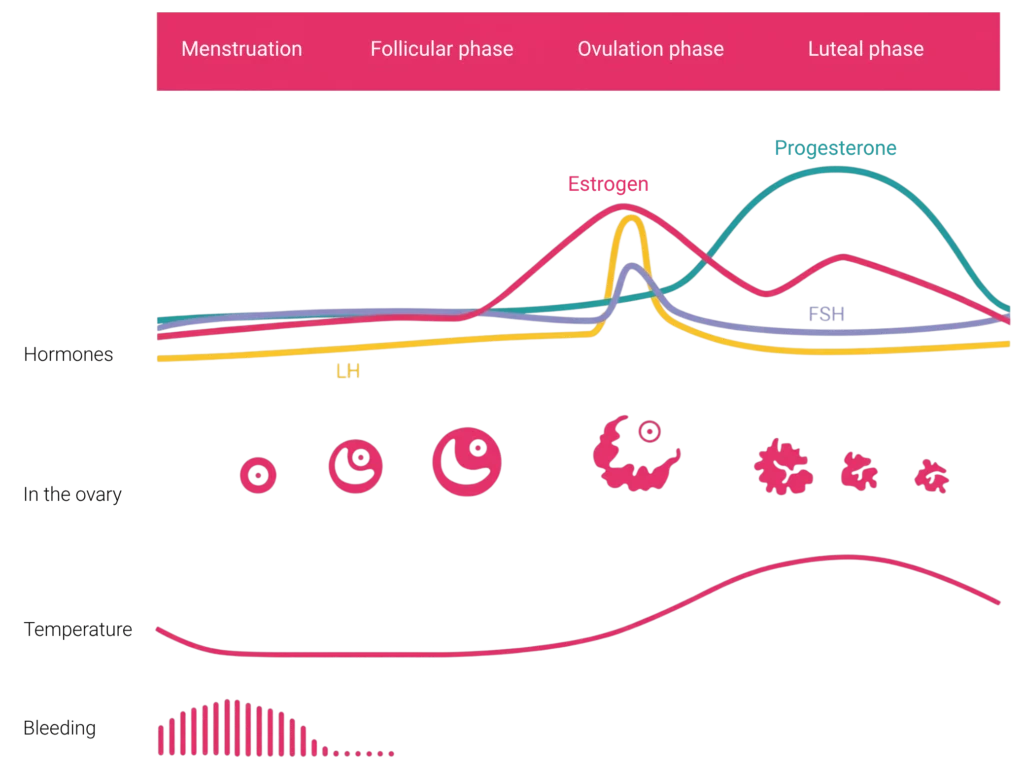
The 4 phases of the menstrual cycle: The female menstrual cycle consists of menstruation, the follicular phase, ovulation, and the luteal phase.
Fertile Phase: Pregnancy is possible for a maximum of 7 days per cycle (during the follicular and ovulation phases, and to a limited extent during menstruation).
Infertile Phase: During the luteal phase, pregnancy is anatomically impossible.
Cycle Variations: The follicular phase can vary due to stress or illness; the luteal phase usually remains very consistent at 12–16 days.
- Determining Ovulation: Since ovulation can vary, you can pinpoint it accurately using physical signs such as basal body temperature and cervical mucus (e.g., with trackle).
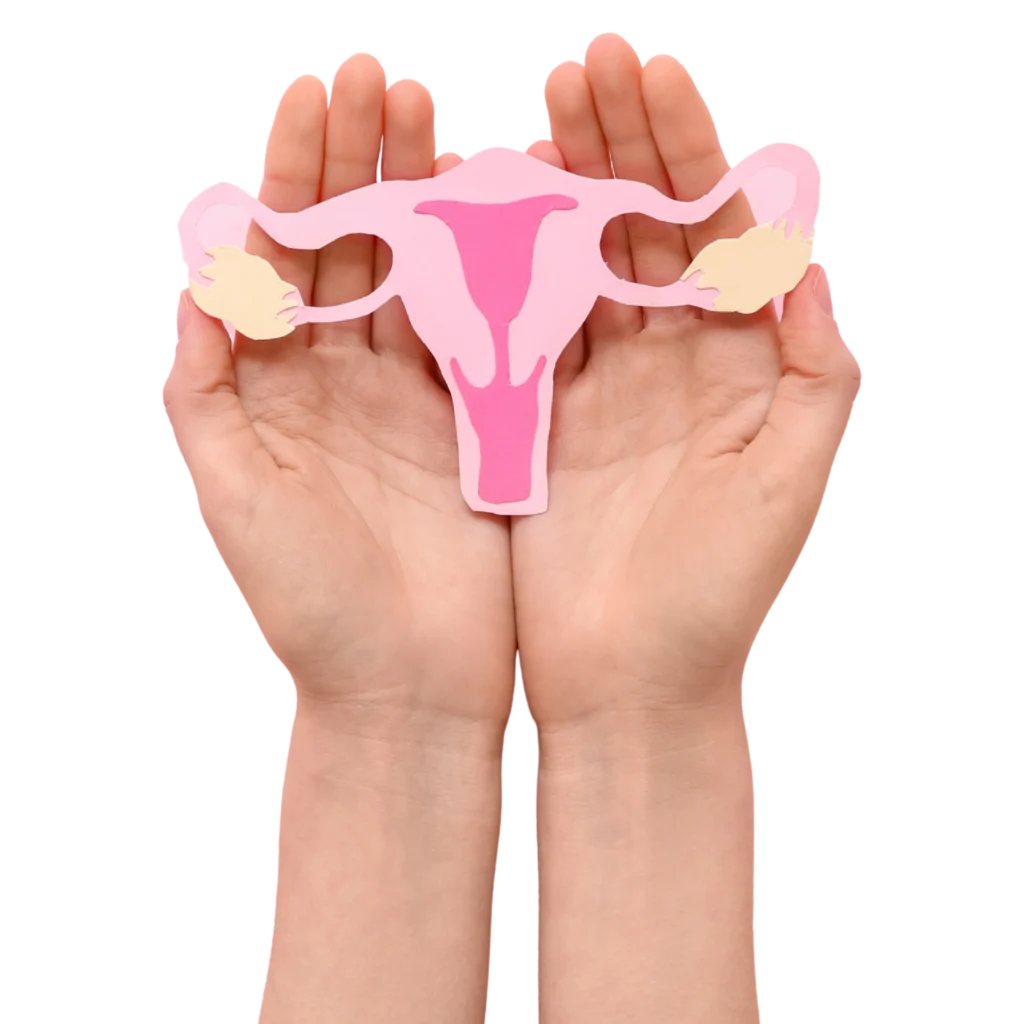
The female cycle is so much more than just the interplay of different hormones:
It’s the rhythm of your life, the captain at the helm of your mood, and the foundation for the creation of new life. We think that’s amazing, impressive, and a reason to celebrate. What nature has come up with here is a true miracle. But even miracles don’t just happen to us out of the blue, do they?
It’s important that you understand the female cycle and know how to listen to it. That’s why we’re explaining once again the four phases of the female cycle that you experience every month—and, most importantly, which of these phases allow you to get pregnant.
The 4 Phases of the Female Cycle
Phase 1: Menstruation
You’re probably already familiar with the first phase of your cycle, since its signs are very noticeable: menstruation.
The bleeding that occurs at this point marks the first day of your new cycle. It begins when a fertilized egg did not implant during the previous cycle: your body sheds the uterine lining that is no longer needed.
During the menstrual phase, the hormones progesterone and estrogen are at their lowest levels. Many people with a menstrual cycle tend to withdraw during this phase, become more reflective, and need time to themselves.
Menstruation usually lasts three to seven days.
Phase 2: Follicular Phase
After your period, your body begins preparing for pregnancy:
The hormone FSH causes several follicles to mature, which raises the level of estrogen in your blood. During this phase of your cycle, it’s common to feel creative and full of energy. Meanwhile, the uterus begins anew to prepare the endometrium for a potential implantation.
The length of the follicular phase can vary: Although it usually lasts between six and 21 days, it can also be significantly longer, as it is highly susceptible to disruptive factors such as stress, illness, and many others. If the follicular phase is prolonged, ovulation is delayed accordingly.
Phase 3: Ovulation Phase
The third phase of your cycle is all about your ovulation.
Once your body has produced enough estrogen, the hormone LH kicks in and triggers ovulation. The most mature egg now leaves its follicle and makes its way through the fallopian tube toward the uterus. The egg itself is now fertile for 12–18 hours.
Nature has its own way of working here, too: Around the time of ovulation, you often feel full of energy, confident, and have a heightened sex drive.
Phase 4: Luteal Phase
During the luteal phase, the follicle from which the egg was released becomes an important part of the menstrual cycle itself: it forms the corpus luteum, which produces progesterone. That is why this phase is also called the “corpus luteum phase.”
Progesterone not only causes your core body temperature to rise by 0.2–0.5 degrees; it also ensures that the uterine lining thickens so that a fertilized egg can implant there. If fertilization doesn’t occur, the corpus luteum breaks down, progesterone levels drop, and your body sheds the uterine lining again with your next period.
The drop in your hormone levels can also cause mood swings and make you more sensitive. PMS may also become noticeable during this phase.
The luteal phase is very consistent in duration and usually lasts 12–16 days. The cool thing is: If you know when you ovulated, you’ll also know when your next period will start.
When in my cycle am I fertile?
In each cycle, the fertile window lasts a maximum of seven days: These seven days include both ovulation itself—during which sperm can fertilize the egg for approximately 12–18 hours—and up to five days prior to ovulation, since sperm can survive in the female body for up to five days.
That’s why fertility is highest during the follicular phase, because your egg is about to make its way into the fallopian tube. So if you’ve already had unprotected sex, it can encounter sperm that are already waiting for it. Of course, you’re also fertile during ovulation itself.
But if you’re thinking that this means pregnancy is impossible during your period, we’re afraid we have to disappoint you.
If you have a very short follicular phase, you may already be fertile during your period. While an egg cannot implant in the uterus while your body is shedding the uterine lining, the sperm’s ability to survive means there is still a chance of pregnancy if you’ve had unprotected sex beforehand.
Pregnancy is no longer possible only during the luteal phase, since the egg’s fertile period has ended. Incidentally, another ovulation within the same cycle is anatomically impossible due to the high levels of progesterone, which cause the body’s core temperature to rise.
However, ovulation doesn’t always occur on the same day of the cycle—sometimes it happens earlier, and sometimes later. To determine your fertile days as accurately as possible, you’ll need to figure out when you ovulate.
And trackle can help you with that!
By reliably tracking changes in your body’s signs—such as the appearance of cervical mucus and the rise in your core body temperature—you can accurately determine when you’re ovulating.
With this information, you can use birth control or plan a pregnancy—it’s up to you.