
Digestion in the Menstrual Cycle: How Hormones Influence Our Gut
Bloating, diarrhea, and constipation sound familiar – especially during certain phases of your cycle? You’re not alone: Many women and individuals with a cycle experience various digestive problems during different phases of their cycle.
We’ll explain what your hormones have to do with your digestion, which symptoms are typical in each phase of the cycle – and how you can support your gut when experiencing issues!
The phases of normal digestion
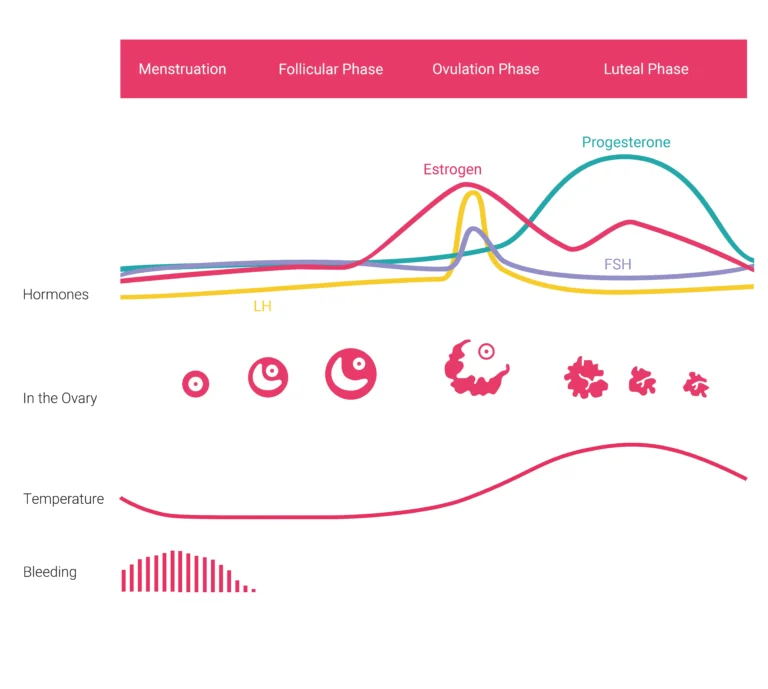
In the follicular phase, i.e. the phase in which the follicles mature, the oestrogen level rises. At the same time, progesterone levels are low, meaning that digestion is largely inconspicuous during this phase. However, there may be increased intestinal movement, which can lead to bloating. During ovulation, the hormone oestrogen reaches its peak and progesterone levels remain low. Digestion also remains normal during this phase.
Which hormone causes constipation?
After ovulation, while estrogen levels decrease, the hormone progesterone dominates. Progesterone has anti-inflammatory properties, relaxes muscles – including those in the intestines. This slows down the bowel movement, leading to constipation and bloating. So, if you’re experiencing constipation now – don’t worry! You’re not alone. Our story poll on Instagram revealed that 63% of participants (969) experience bloating after ovulation.
Digestive problems during the luteal phase also fall under the typical symptoms of PMS (Premenstrual Syndrome). You can find out more about this here.
Why do I have diarrhea during my period?
Some women and individuals with a menstrual cycle experience diarrhea during their period, alongside symptoms such as abdominal cramps, headaches, and nausea. The frequent occurrence during menstruation is associated with the lowest progesterone levels. Digestion is stimulated again, leading to increased bowel movements. Another trigger for diarrhea during menstruation is also the hormone prostaglandin: This tissue hormone, unlike progesterone, promotes inflammation and triggers contractions in the uterus to shed the uterine lining. Since the uterus and the intestine are closely located, cramps can also affect your digestion. As a result, bowel function is increased, leading to diarrhea, bloating, and increased bowel movements. You are not alone in experiencing these symptoms, and there is no need to feel ashamed: In our community, 79% of 1106 respondents in an Instagram story poll reported having diarrhea during their period – and even 84% of 686 participants experience bloating during menstruation.
Can I prevent the formation of prostaglandins?
Completely avoiding the release of spasmodic tissue hormones is probably not possible. However, the production of prostaglandins is stimulated by substances like arachidonic acid. Arachidonic acid falls under the category of omega-6 fatty acids and is found in animal-based foods. Pork mainly contains this arachidonic acid. Examples include lard, bacon, liverwurst, salami, and meat sausage. Egg yolks, poultry legs, and butter also contain these omega-6 fatty acids. Therefore, make sure to consume these foods in moderation.
What can help with constipation
If you suffer from constipation during the luteal phase (before your period), we have some simple tips that can help:
- Exercise
- Fiber
- Adequate water intake
- Psyllium husk
Physical activity can help stimulate bowel movements. Light yoga exercises or taking a walk are sufficient. You can also support your digestive system through your diet. Fiber is beneficial for promoting bowel regularity. This means you should opt for whole grains, fruits, vegetables, and flaxseeds. Don’t forget to drink enough water and gradually introduce the increased fiber intake to your diet. Psyllium husk can be found in health food stores. Just one tablespoon per day can support your digestion.

What can help you with diarrhea
Even if you have diarrhea, simple home remedies can help alleviate the symptoms. These include:
- Plenty of water
- Fruits such as banana, apple, and blueberry
- Tea (black and green)
- Cocoa and bitter chocolate
- Rice and toast
- Psyllium husk and clay
- Nutmeg
To replenish the fluid loss caused by diarrhea, you should drink plenty of water. Rice, bananas, and toast are foods that are gentle on the stomach and therefore suitable for acute diarrhea. Additionally, there are some foods that can thicken stool and help alleviate diarrhea. These include blueberry tea, clay, grated apple, cocoa, black and green tea, bitter chocolate, and blueberries. Psyllium husk can help support your natural digestion, not only for constipation but also for diarrhea. When consuming foods with nutmeg, they pass through the intestine more slowly, which can help counteract diarrhea.
Avoid the following products if you have diarrhea, as they have a laxative effect or irritate the intestines:
- Cold drinks, coffee, sodas, fruit juices, alcohol
- Fatty foods
- Artificial sweeteners
- Products containing lactose
trackle unfortunately cannot prevent your digestive problems. However, our tracking system can help you determine whether your symptoms are related to your cycle or not, providing you with an initial assessment. If you have health concerns, you should always consult your doctor.
With the trackle sensor system, you always know what phase of your cycle you are in because trackle reliably determines your ovulation. By measuring your core body temperature at night and observing your cervical mucus, trackle analyses your fertile and infertile days in your cycle (also known as the symptothermal method). The simple use of the app eliminates the need for complicated calculations. With trackle, you can get up whenever you want because the sensor is worn while you sleep – whether you work shifts or have been partying all night. trackle not only helps you to understand your natural cycle, but also to use contraception safely or to start planning your pregnancy.
Learn more about the certified cycle computer trackle here:
