
Cycle & nutrition
How you can support your cycle with your diet
Diet has a major influence on our body and our health. It is therefore hardly surprising that it also has an enormous influence on our cycle. In the same way, the female body has different nutritional needs that need to be met depending on the phase of the cycle.
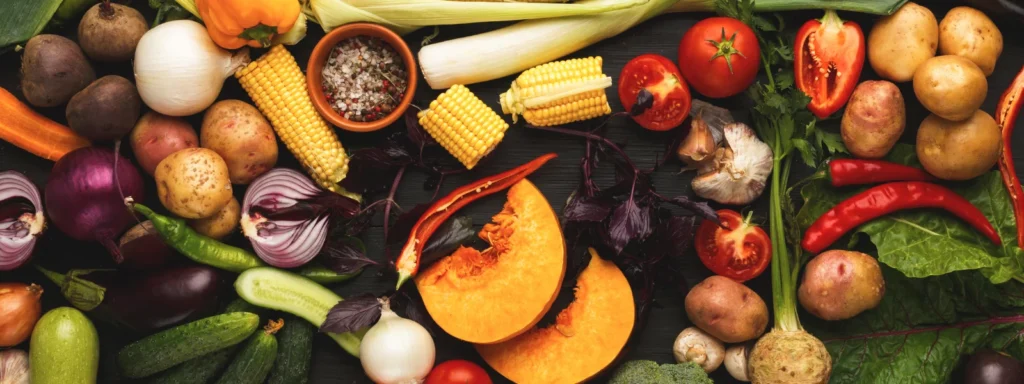
Nutrition tips during your period that can help with cramps are somewhat well-known. However, it is not only during the first phase of the cycle, but also during the other three phases that we can support our body and cycle with our diet. The natural hormonal fluctuations that occur during the cycle can be influenced by the food we eat. There are therefore different foods and nutrients for each cycle phase that can support your body. Find out how in this article!
The Menstrual Phase
During menstruation, oestrogen and progesterone levels are at their lowest. This means that your energy levels are also low. This is accompanied by symptoms such as cramps and irritability. You probably crave sweets and fatty foods such as pizza and potato chips. The main triggers for these cravings are thought to be the high progesterone levels shortly before your period and the additional calorie requirement. The problem is that these highly processed, spicy, sugary or alcoholic foods can contribute to inflammation and imbalance your hormones. So they can intensify your fights. But don’t worry: you can give in to your cravings sometimes, as long as everything is done in moderation.

There are various foods to support your body during menstruation. Make sure you have high sources of protein in your diet. Healthy omega-3 fats can reduce cramps. As you lose blood during your period, it can also be useful to eat iron-rich foods. Vitamin C helps to absorb the iron better. Vitamin K can reduce heavy bleeding. Zinc can also support your body during your period. So make sure you have some of these foods covered to make this phase of your cycle more bearable. You can find them here, for example:
- Protein: Prawns, beans, beef
- Omega 3: salmon, nuts, linseed
- Iron: green leafy vegetables, lentils, soybeans, red muscle meat
- Vitamin C: citrus fruits, berries, broccoli, red peppers
- Vitamin K: green leafy vegetables, blueberries, cheese and eggs
- Zinc: oysters, fish and seafood, meat, cheese, yogurt, milk, beans, nuts, oatmeal, peas, pumpkin seeds
In addition to these foods, you can also use teas such as camomile, yarrow, peppermint and lemon balm for severe abdominal cramps.
However, if your period cramps or bleeding are excessive, please seek medical advice to determine the cause.
You can read about how your cycle affects your digestion and how you can alleviate cyclical digestive problems in this article:
The follicular phase
The hormone FSH increases and allows several follicles to mature. Oestrogen levels also increase to prepare for ovulation. Magnesium is often very low during this phase, so you should eat foods that contain a lot of it. During this time your energy levels are very high, so choose foods with carbohydrates to support this.
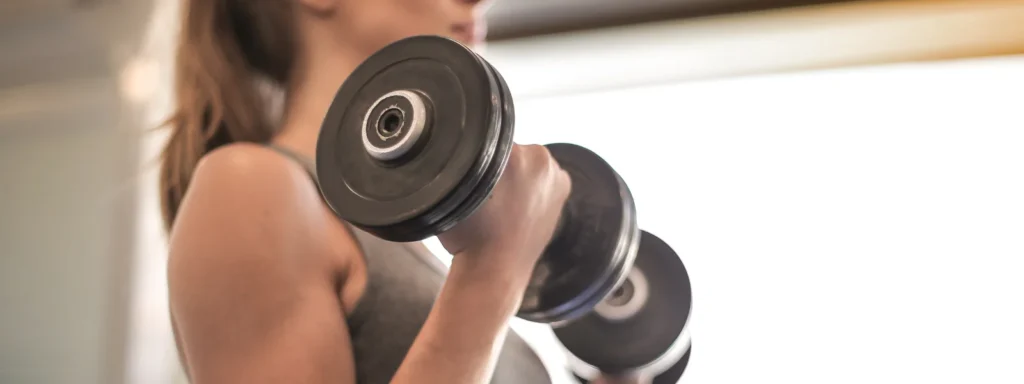
Another tip: because of all the energy your body has, now is the perfect time to do intensive workouts. The oestrogen ensures that muscle building is faster. Foods that help to balance your high oestrogen levels are also important in this phase.
- Magnesium: whole grains, kernels and seeds, pulses
- Carbohydrates: wholemeal bread, brown rice, quinoa
- Oestrogen levels: cabbage (e.g. broccoli and cauliflower), sauerkraut, kimchi, avocado, linseed, pumpkin seeds, green leafy vegetables
The ovulation phase
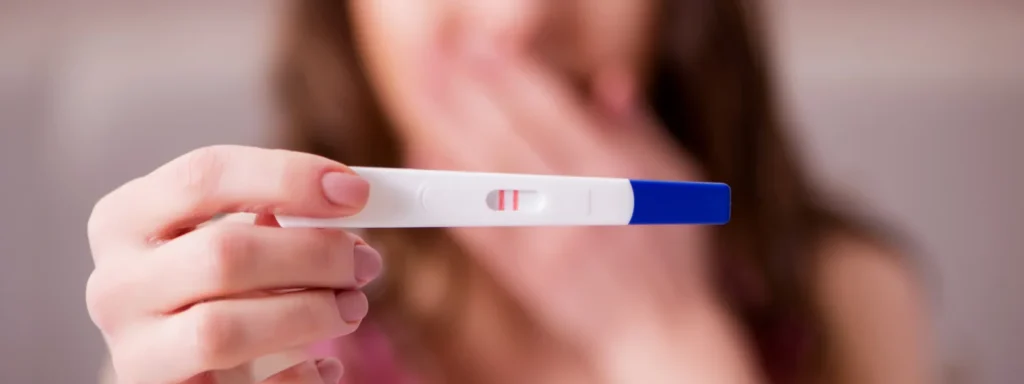
Oestrogen levels are at their highest during the ovulation phase, as this is when the hormone LH triggers ovulation. The high oestrogen level ensures that your liver is working hard. You should continue to eat foods that help to balance your oestrogen and support your liver. To counteract a hormone imbalance, foods rich in fiber are recommended. These can lower oestrogen levels slightly so that there is no excess. If you want to get pregnant, now is the right time to start eating foods that can increase your fertility.
- Oestrogen levels: cabbage (e.g. broccoli and cauliflower), sauerkraut, kimchi, avocado, linseed, pumpkin seeds, green leafy vegetables
- Fiber: fruit, vegetables (e.g. cabbage), whole grains, legumes, nuts and seeds
- Fertility: folic acid (chicken liver, lentils, broccoli, eggs, wheat germ, dairy products, nuts, seeds, green leafy vegetables) and iron (wholegrains, pulses, vegetables, quinoa)
The luteal phase
In the luteal phase, a corpus luteum forms from the follicle from which the egg cell bursts, which in turn produces progesterone. During this phase of the cycle, the familiar PMS symptoms can appear: for example, mood swings, blemished skin, headaches, breast tenderness and bloating. To prevent period cramps, it is helpful to start taking magnesium now. This can also help to support you with your low energy levels and libido.

You can also support your muscles while they prepare for the bleeding and cramps: Healthy fats and proteins are great for this. You may also experience cravings for sweet or salty snacks. However, you should avoid too much salt, caffeine and alcohol at this time. But don’t worry, there are alternatives. And it’s always important to drink enough water anyway.
- Magnesium: whole grains, kernels and seeds, pulses
- Healthy fats: nuts, linseed, fish, avocado, olive oil
- Proteins: prawns, beans, beef
- Snacks: Dark chocolate, fruit, nuts and seeds (especially pumpkin seeds)
Cyclical nutrition made easy with trackle
As you can see, it’s not that difficult to provide your body with the right nutrients to give it the best possible support during your cycle. Once you have found a routine, you can help your body with hormones and cramps.
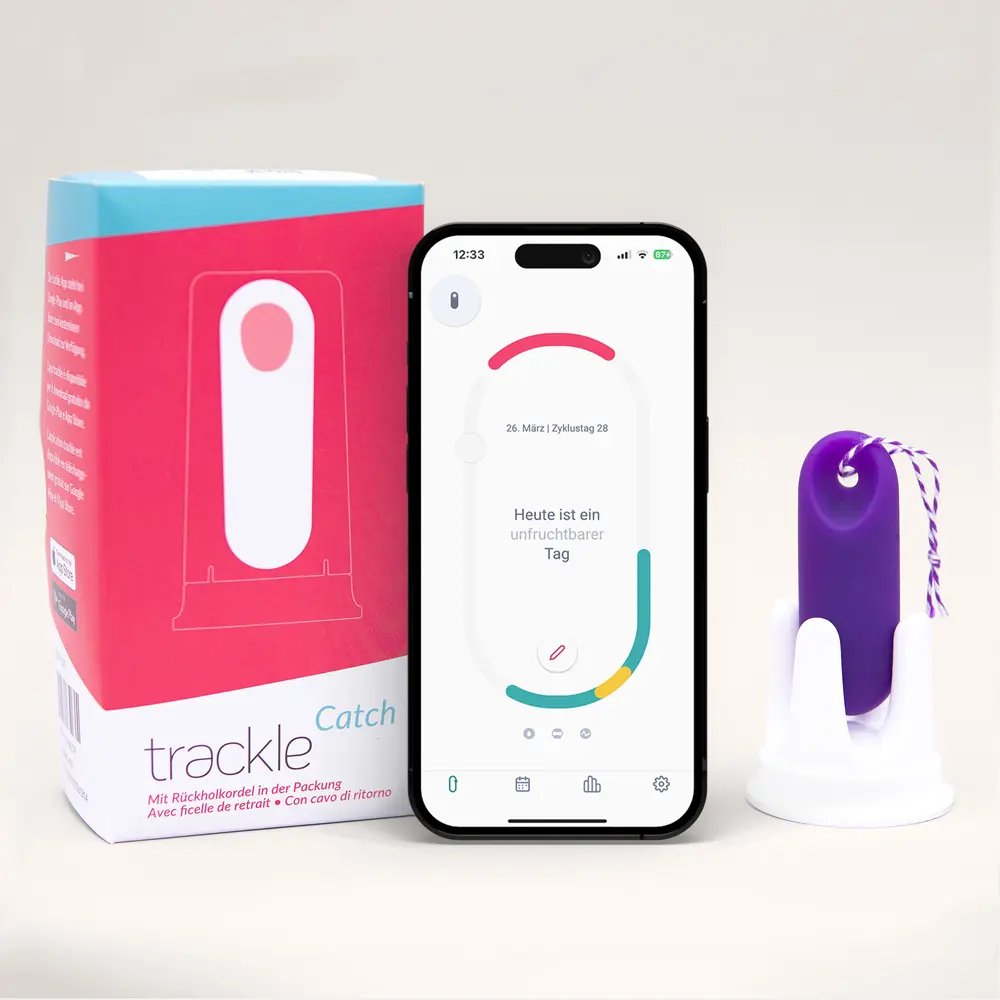
With trackle, you always know exactly which phase of your cycle you are currently in. Cycle tracking alone cannot alleviate your symptoms – but in many cases a cycle-conscious diet can definitely help.
The trackle sensor system detects your ovulation and helps you to recognize which phase of your cycle you are currently in. However, the trackle cycle computer, which is certified as a contraceptive, can do much more than that: by using the scientifically proven symptothermal method, which combines the evaluation of your core body temperature and your observations of cervical mucus, trackle reliably determines fertile or infertile days in your cycle. Not only can you get to know your natural cycle precisely, but you can also use safe and hormone-free contraception or fulfill your desire to have children.
Sources:
Nutrition and Exercise Throughout Your Menstrual Cycle. Cleveland Clinic.
Foods to eat for each stage of your menstrual cycle. London Clinic of nutrition.
Kamille, Frauenmantel, Schafgarbe – Tees für die Hausapotheke der Frau. Frauenärzte im Netz.
Magnesium. Deutsche Gesellschaft für Ernährung.
Training nach Zyklus. ARD alpha.
Ernährung bei Kinderwunsch. MeinMed.
Zink: Wichtig für ein starkes Immunsystem. AOK.
Menstruationskrämpe. MSD Manual. Ausgabe für Patienten.
Heißhunger auf Süßes und Salziges kurz vor der Menstruation: Universität Gießen.